

Planting Pocket Forests: Urban Micro-Forest Creation Strategies
Chosen theme: Urban Micro-Forest Creation Strategies. Discover how tiny, densely planted native forests can cool streets, invite pollinators, and transform neglected corners into living classrooms. Join our community, share your neighborhood challenges, and subscribe to follow practical strategies, field-tested stories, and step-by-step guidance for creating thriving urban micro-forests.
What Is an Urban Micro-Forest?
The Miyawaki Method in the City
Popularized by botanist Akira Miyawaki, this strategy packs diverse native species closely to accelerate growth and resilience. In concrete-heavy neighborhoods, it restores soil life, shelters seedlings, and sparks community pride. Tell us where you imagine a pocket forest, and we will explore the steps together.
Why Small Forests Matter for Big Cities
Even a few dozen square meters can filter air, dampen noise, and lower nearby temperatures. They create habitat bridges for insects and birds, slow stormwater, and brighten daily routines. Share your experience with heat or flooding on your block, and subscribe for solutions crafted for streets like yours.
A Walk Through a Three-Year Transformation
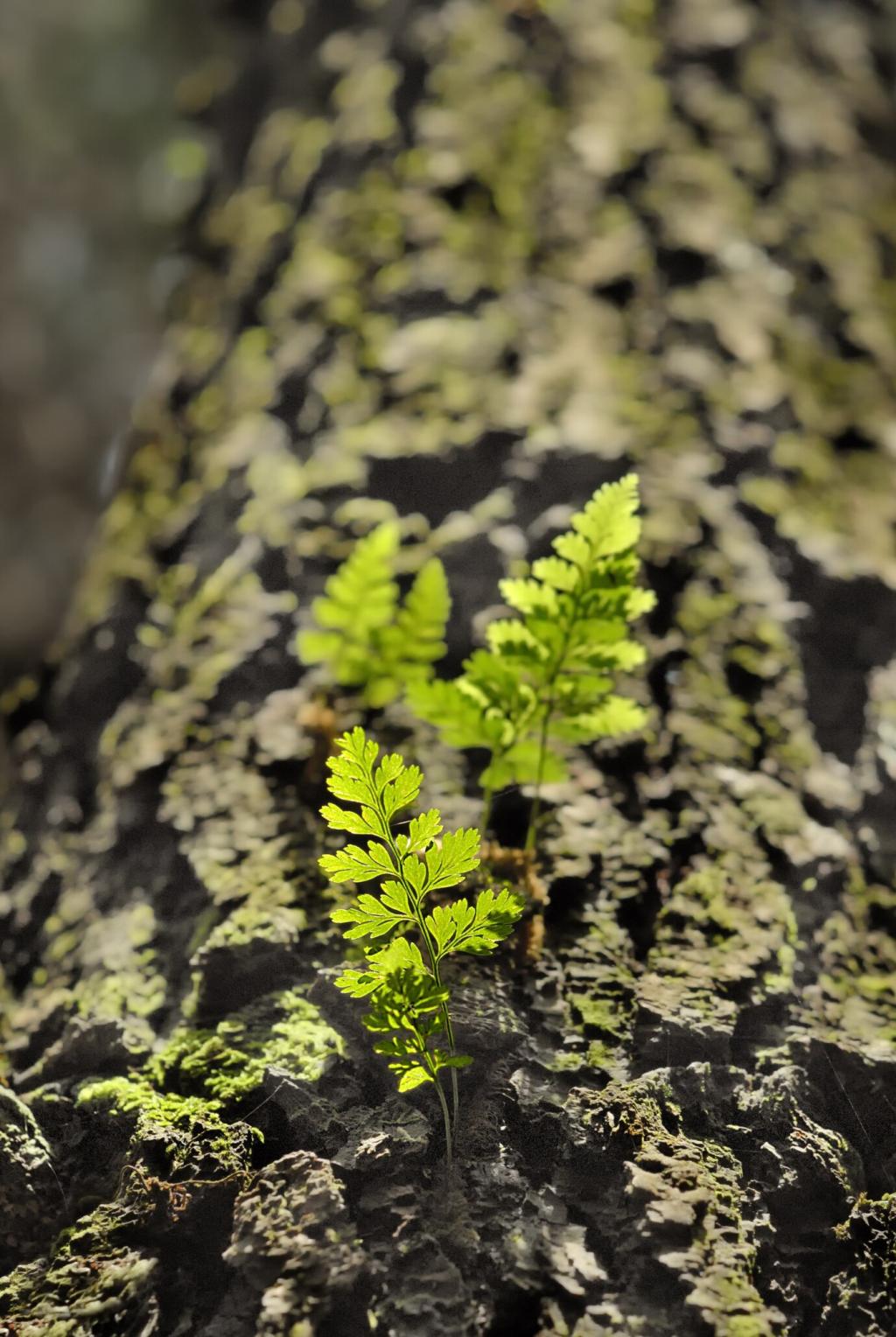
Month zero shows cracked asphalt and compacted soil. By year one, knee-high shrubs hum with bees. By year two, canopy saplings knit shade over mulch. By year three, leaf litter, fungi, and birds complete the symphony. Want to see this happen on your corner? Comment and join our newsletter.

Selecting Native Species for Layered Growth
Canopy, Sub-Canopy, Shrubs, and Groundcovers
Think in layers. Pair a light, fast canopy with sturdy sub-canopy trees, fruiting shrubs for nectar and berries, and living mulch groundcovers. Aim for continuous bloom from spring through fall. Drop your region in the comments, and we will share a starter palette tailored to your climate.
Right Plant, Right Place, Right Future
Match species to sunlight, soil texture, and moisture, while anticipating future shade and storm intensity. Favor drought-tolerant roots where irrigation is limited. Plant diversity buffers against pests. Tell us your hardiness zone, and subscribe to get adaptable lists that thrive as the micro-forest matures.
Seedling Sourcing Ethics and Diversity Targets
Buy from local nurseries with clean provenance, seeking regional genetics resilient to your weather swings. If possible, target 20 to 40 species for strong ecological networks. Organize a seedling swap with neighbors, and share your supplier recommendations to help others build ethical, diverse plant lists.
Community Power and Stewardship
Offer gloves in multiple sizes, tools sized for kids, translated instructions, and clear roles. Provide water, snacks, and shade. Celebrate with a group photo at the new forest sign. Invite neighbors now in the comments, and subscribe for downloadable checklists that make your first planting day joyful.
Community Power and Stewardship
Host bird counts, soil safaris, and leaf art walks. Encourage students to adopt a tree and track height, leaves, and visitors. Share stories of observed changes, from the first ladybug to the first nesting sparrow. Teachers and parents, sign up for activity kits and seasonal lesson prompts.

Design Patterns and Spatial Tactics
Edge Ecology: The Productive Perimeter
A dense shrub edge buffers wind, catches litter, and protects tender seedlings from trampling. Add flowering natives along the boundary to invite pollinators and passersby. Share your fence or curb photos, and we will suggest plant mixes that turn tough edges into protective, beautiful habitat.
Weaving Paths Without Fragmenting Habitat
Use narrow mulch loops or stepping stones that glide through without splitting the forest. Encourage slow walking and quiet pauses. Raised logs guide feet away from roots. Post a sketch of your intended route and subscribe for layout templates that balance access with thriving understory life.
Green-Blue Integration: Rain Gardens Meet Roots
Connect a bioswale to your micro-forest to catch roof runoff, recharge soil moisture, and reduce street flooding. Select moisture-loving natives at the lowest point. Curious about dimensions and soil mixes? Comment with your rainfall pattern, and we will share calculations and easy construction tips.
Establishment Phase: The First 24 Months
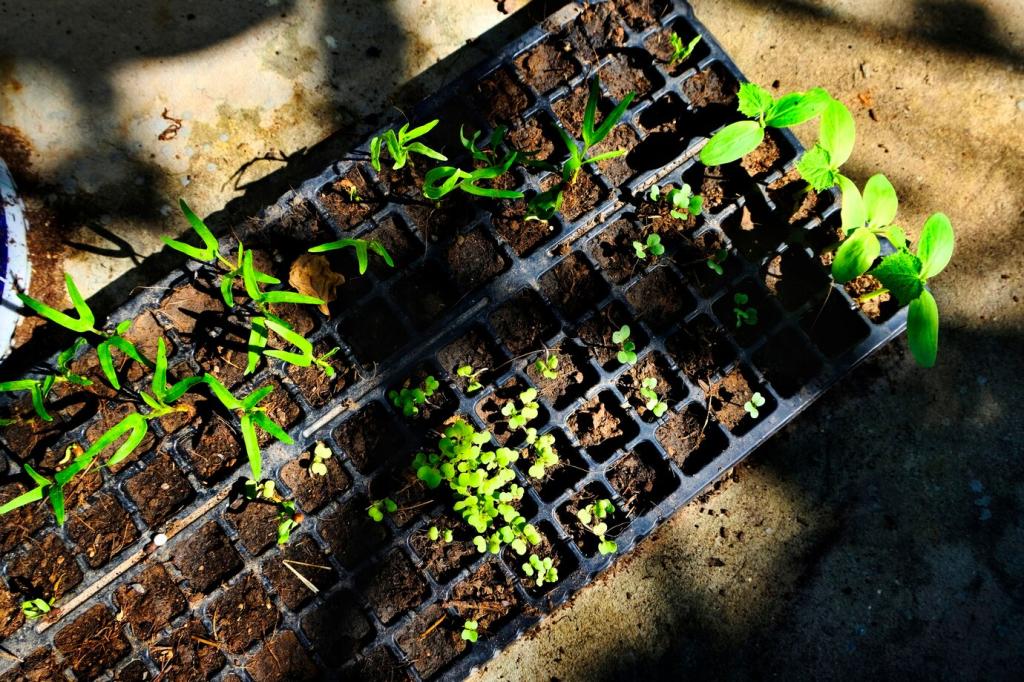
Lay a thick, weed-free mulch blanket, keeping it off trunks. Water deeply but infrequently to train roots down. Resist over-tidying; fallen leaves feed the soil community. Share your local rainfall pattern, and subscribe for a seasonal checklist that keeps care simple and consistent.

Establishment Phase: The First 24 Months
Mark a few sample plots, measure seedling height monthly, and snap canopy photos from the same spot. Track bees and birds with free apps. Post your data, tag your city, and compare progress. We will highlight community projects and provide templates you can copy and adapt easily.
Measuring Impact and Scaling Strategies
Biodiversity Metrics That Fit a Pocket
Measure species richness, flowering windows, and habitat complexity using simple tools. Count pollinators weekly and note nesting activity. Share your favorite indicator species, and we will compile a community scoreboard that helps compare sites, celebrate wins, and guide the next round of plant choices.
Cooling, Carbon, and Comfort
Use a handheld thermal camera to capture before and after temperature differences near the forest edge. Estimate carbon stored by tracking biomass growth. Ask neighbors how the space feels at noon. Post your findings, and subscribe for templates that turn observations into persuasive, visual reports.
From Pilot to Policy: Citywide Replication
Package your project with permits, species lists, drawings, and maintenance plans. Partner with schools and transit agencies to unlock land. Present benefits per square meter to decision makers. Share your city context below, and we will send a roadmap for scaling urban micro-forests across neighborhoods.