Selecting Native Species for Micro-Forests

Chosen theme: Selecting Native Species for Micro-Forests. Welcome! If you dream of a tiny, teeming woodland that thrives with minimal fuss, you’re in the right place. We’ll blend science, stories, and practical steps so you can choose the right natives, plant confidently, and watch a living tapestry rise in seasons—not decades. Share your location and favorite native picks in the comments, and subscribe to follow each new selection guide and planting tale.

Read the Land: Matching Natives to Your Micro-Forest

A simple jar test reveals texture, while a quick infiltration check shows drainage speed. Smell the earth; rich, foresty soil hints at active life. Choose deep-rooted natives for loams, moisture lovers for clay pockets, and drought-tolerant species for sandy, fast-draining corners.

Read the Land: Matching Natives to Your Micro-Forest

Track sun paths for a week. South-facing walls intensify heat, while dense fences create cool shade tunnels. Select heat-tolerant local natives for reflective courtyards, and shade-adapted woodland species beneath taller anchors. Share your microclimate map and we’ll help refine species choices.

Layered Design: Canopy to Groundcover

In many regions, native oaks are keystone giants, supporting hundreds of caterpillar species; research by entomologist Douglas Tallamy highlights their outsized ecological role. Pick locally appropriate keystone trees that host abundant insects, then pair them with understory species that relish dappled light and leaf litter.

Layered Design: Canopy to Groundcover

Mix fruiting shrubs and small trees to extend the wildlife pantry through spring blossoms, summer berries, and winter persistence. Serviceberry, dogwood, and viburnum have regional native equivalents. Ask us for a seasonal food calendar tailored to your ecoregion and yard size.
Local Provenance, Real Resilience

Local ecotypes leaf out and flower on cue with neighborhood pollinators and weather swings. That synchrony helps nesting birds and early bees. Choose plant material grown from regional seed, so buds, blossoms, and fruits meet the moments your wildlife actually needs them.

Local Provenance, Real Resilience

Plant several individuals of the same native species sourced from different local mother trees. Genetic diversity buffers your micro-forest against pests, heat waves, and unusual frosts. We can help you plan a resilient mix that still honors your area’s natural gene flow.

Pioneers and elders working together

Fast growers cast early shade, cool the soil, and shelter slow, long-lived species that mature into the future canopy. Consider native birches or willows as nurses for oaks or hickories, adjusting to your region. Comment with your pioneer–elder pairings for feedback.

Dense planting, smart spacing

Many micro-forest approaches use dense spacing—often three to five plants per square meter—to close the canopy quickly and outcompete weeds. Stagger heights and root types to reduce stress. Post your layout sketch, and we’ll suggest tweaks for airflow and light sharing.

Wildlife Wins: Selecting Natives That Welcome Life

Match native trees and shrubs to local pollinators’ life cycles: early-blooming willows for spring bees, summer-flowering shrubs for continuity, and late-season asters nearby for fall fuel. Share your bloom calendar goals and we’ll help fill any seasonal gaps.

Stories from a Pocket Forest

The first summer after planting

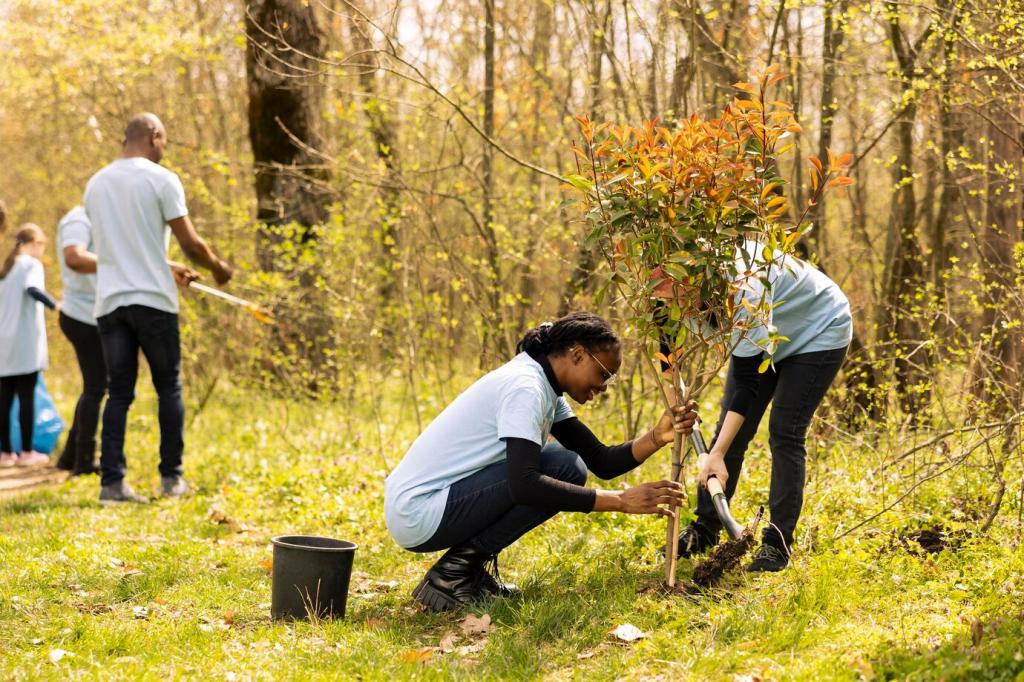
We planted on a rainy Saturday—mud up to our ankles, laughter in the gutters. By August, pioneer leaves clapped in every breeze, shading seedlings. A monarch paused on a young milkweed at the edge, and neighbors started asking questions.

A misstep corrected

We placed a dry-loving shrub in a soggy corner and watched it sulk. Replacing it with a locally native swamp-friendly tree and buttonbush changed everything. Dragonflies patrolled, and the once-tricky spot now hums after every storm. Share your fixes—we’re learning together.

Neighbors become co-stewards

A sidewalk chalk sign invited folks to a five-minute ‘forest tour.’ Twelve people came. Now, three homes are planting sister patches using our species list. Subscribe to follow our shared monitoring notes and borrow the tour script for your block.
Shhangfumy
Privacy Overview

This website uses cookies so that we can provide you with the best user experience possible. Cookie information is stored in your browser and performs functions such as recognising you when you return to our website and helping our team to understand which sections of the website you find most interesting and useful.