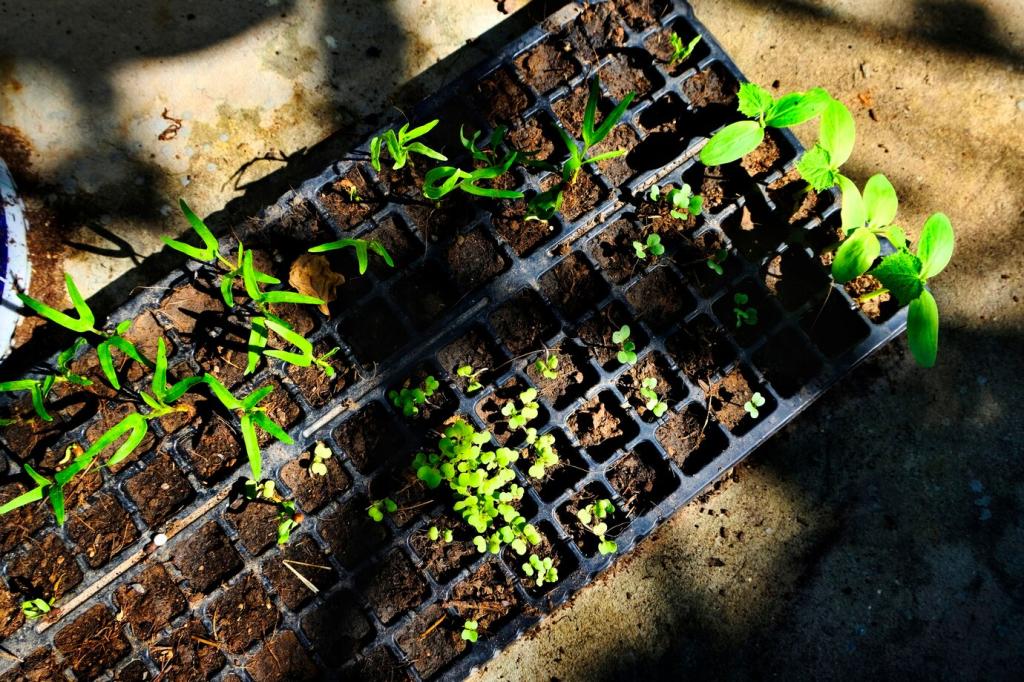
Welcome to our living, growing field guide. Today’s chosen theme is Step-by-Step Guide to Planting Micro-Forests. We’ll turn small spaces into thriving native ecosystems together—one shovel, one seedling, one story at a time. Join in, comment, and subscribe to follow every phase.
Why Micro-Forests Work: Science and Promise
A micro-forest can flourish in the size of a tennis court or less, yet deliver shade, habitat, and stormwater absorption. Dense planting mimics natural succession, jumpstarting processes that typically take decades to unfold.
Spend a week quietly observing the space. Track sun and shade, standing water after rain, prevailing winds, and human movement patterns. Photograph daily at the same times to reveal patterns you might otherwise miss.
Do a jar test for texture, a simple percolation test for drainage, and an at-home pH reading. If possible, send a soil sample to a local lab. Share results in the comments for interpretation together.
Call utility locators before digging, check municipal planting guidelines, and coordinate with site owners or associations. Clarify maintenance responsibilities early. Post your permitting lessons learned so other readers avoid the same snags.
Designing a Native, Layered Plant Palette
Combine tall canopy trees, mid-story trees, shrubs, herbs, and groundcovers. This stacking spreads risk, captures light efficiently, and offers niches for many creatures. Aim for seasonal diversity so nectar, seeds, and shelter never run short.
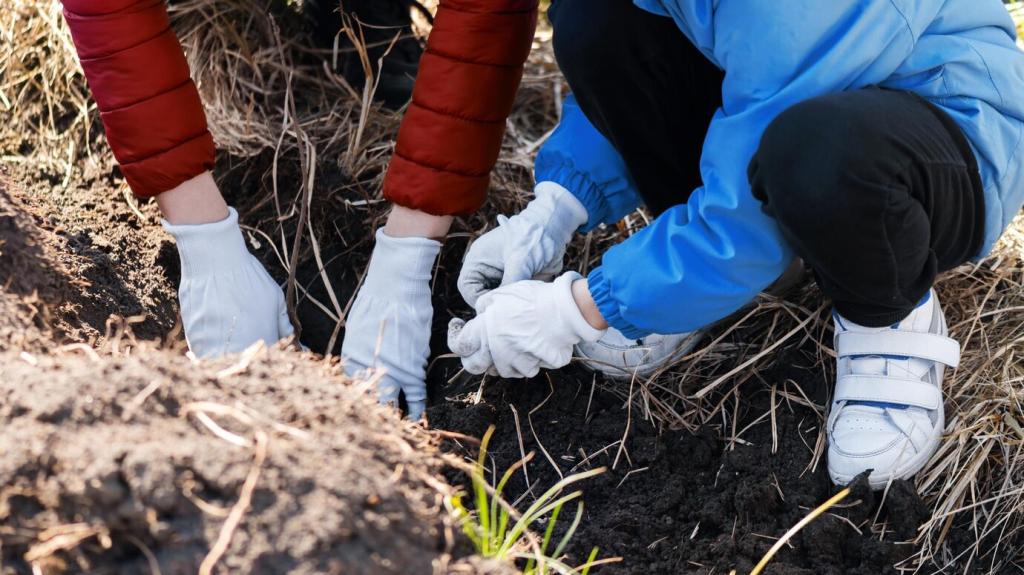
Plant densely but not uniformly. Group species in small, irregular clusters to mimic natural regeneration. Stagger canopy and understory for dappled shade. Leave narrow paths for monitoring, then let them soften as plants knit together.
Water deeply, less often, encouraging roots to chase moisture. In hot spells, use early morning soakings and slow-release bags. Track rainfall and adjust. Share your climate and we’ll help tailor a weekly schedule.
Year One Care: Water, Weeds, and Wins
Smother with mulch, hand-weed early, and use cardboard under paths to starve weed seeds of light. Spot-clip invaders before they set seed. Note tough species in your area so readers can anticipate and prepare.
Measuring Impact and Sharing Results
Run quarterly bird, butterfly, and pollinator counts using simple protocols. Photograph species as evidence. Compare lists year over year. Invite neighbors to help, then publish highlights to motivate continued care and funding support.