

Effective Soil Preparation for Urban Micro-Forests
Chosen theme: Effective Soil Preparation for Urban Micro-Forests. Build thriving mini-woodlands on city lots by transforming lifeless ground into living, sponge-like soil that breathes, absorbs, and feeds—one shovel, one story, and one community at a time.

Simple Tests, Big Clues
Start with texture-by-feel, a jar sediment test, pH strips, and an infiltration check. Add a basic lab panel for organic matter, nutrients, and contaminants. Share your results in the comments to compare notes and get tailored encouragement from fellow planters.

Compaction and Bulk Density
Use a penetrometer or a firm steel rod to gauge resistance; roots struggle when readings spike. Bulk density below roughly 1.4 g/cm³ in loams is friendlier for trees. If you see puddling after rain, compaction or layering is likely—tell us what you observe.
Compost Quality Matters
Choose mature, earthy compost with a pleasant smell, low salts, and a balanced carbon-to-nitrogen profile. Screen out plastics and glass. Work it in gently to avoid smearing layers, then mulch on top. Tell us your favorite local compost sources to help others nearby.
Mineral Skeleton Without the Sand Trap
Coarse mineral amendments like crushed lava, expanded shale, or angular sand can improve porosity. Avoid adding lots of sand to heavy clay, which can set like brick. Think ‘diverse particle sizes’ instead of quick fixes, and report your mixes so we can learn together.
Biochar, Charged and Ready
Biochar boosts water holding and nutrient retention, but only when pre-charged with compost, dilute urine, or nutrient-rich tea. Mix at modest rates and incorporate evenly. Share before-and-after observations on moisture, especially during heat waves and sudden storm pulses.
Decompaction Without Drama: Air, Roots, and Smart Tools
Air-Spade and Radial Trenching
Where safe and permitted, air tools loosen soil with minimal root damage. Radial trenches filled with compost-rich backfill invite roots into healthier zones. Always locate underground utilities first, and post your trench patterns to inspire other micro-forest builders.

Vertical Mulching for Tight Spots
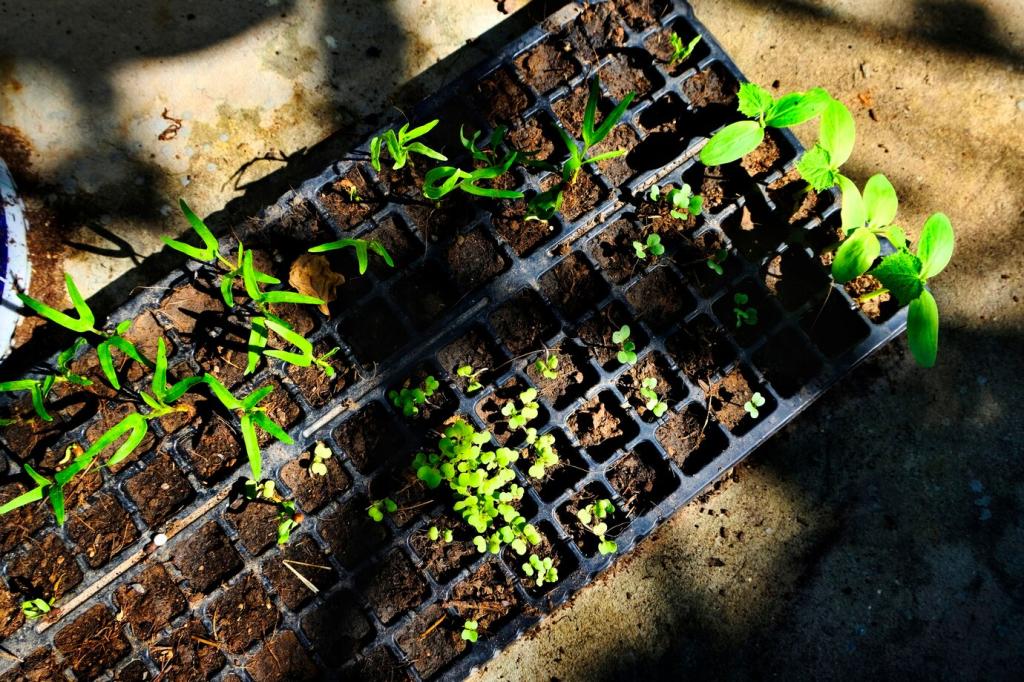
Auger narrow holes in a grid, then fill with coarse compost, fine wood chips, or biochar-compost blends. These act like breath straws for roots and microbes. Measure penetration resistance again after rains, and tell us how quickly your readings begin to drop.
Infiltration First, Harvest Second
Run a simple percolation test. If water lingers, loosen subsoil and add organic matter before building swales or basins. Direct roof runoff into your micro-forest once the soil can handle it. Share photos of your basins after storms to benchmark performance.
Mulch: The City Forest’s Blanket
Apply a generous layer of fresh arborist wood chips—mixed leaves, twigs, and bark—about 10–15 cm deep. This moderates temperature, feeds fungi, and suppresses weeds. Tell us how mulch depth affected watering frequency during your hottest month this year.
Layering to Prevent Perched Water
Feather transitions between amendments so water doesn’t stall on hard interfaces. Blend horizons gradually and avoid smearing wet soils. If perched water persists, try vertical mulching or coarser materials to reconnect flow paths. Report any quick wins to help others adapt.
Feed the Web, Not Just the Trees
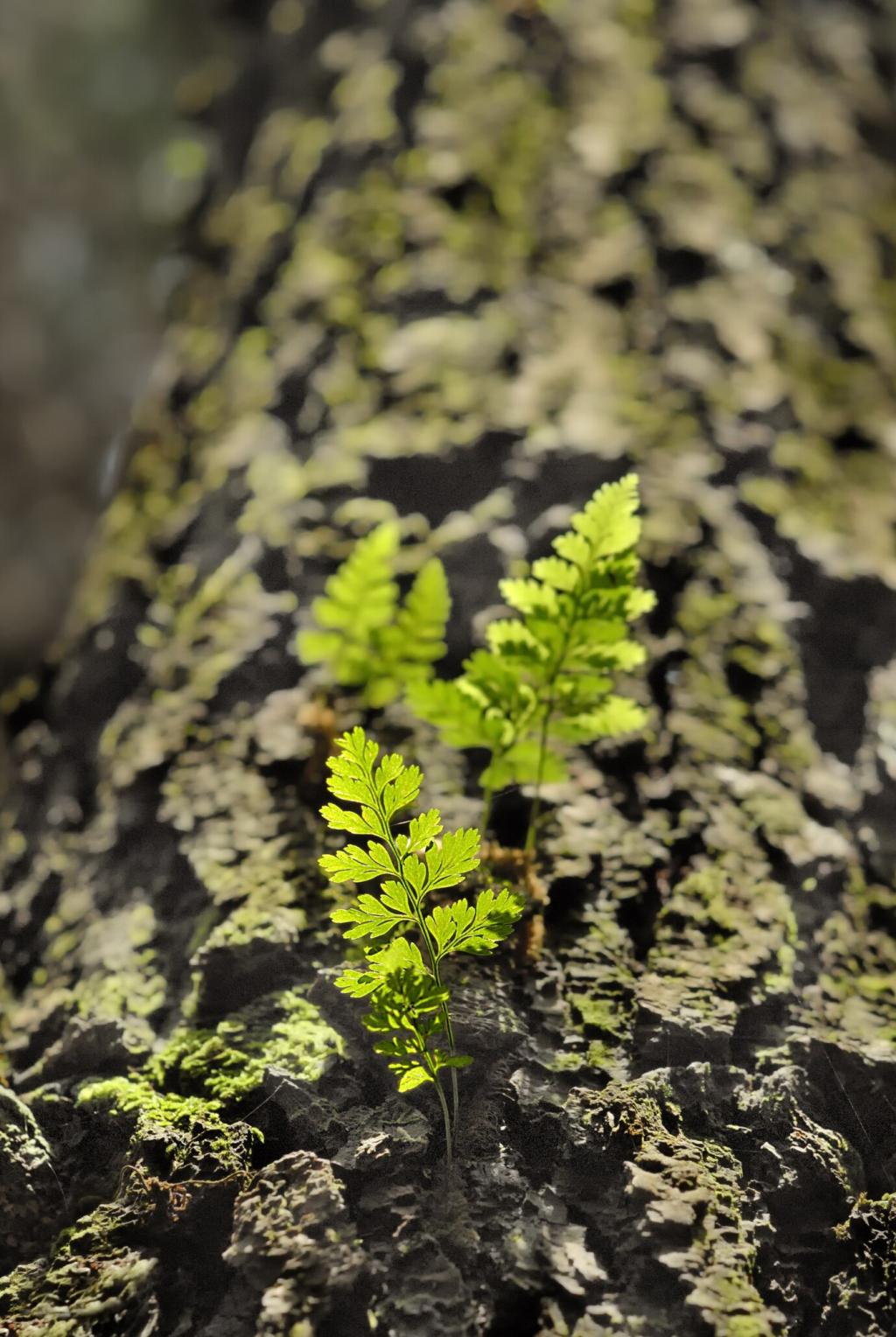
Favor slow-release organic inputs and leaf litter returns over soluble salts that can spike EC. Use compost extracts to inoculate surfaces, then let mulch and roots do the work. Tell us if you noticed fewer weeds and cooler soil under a steady litter cycle.
Mineral Balance and pH
Most temperate micro-forest species thrive near pH 6–7. Light rock-dust applications, especially basalt, can restore trace elements. Test before liming; urban soils sometimes arrive alkaline. Share your pH shifts after amendments and what finally stabilized the readings.
Mycorrhizae as Long-Term Partners
Inoculate at planting or introduce woody mulch to cultivate native fungi. Mycorrhizae improve drought resilience and nutrient access while stabilizing aggregates. Avoid broad-spectrum fungicides. We’d love to hear which inoculation methods showed visible gains in your first season.
From Preparation to Planting: Soil-Building Guilds

Nitrogen-Fixers and Pioneers
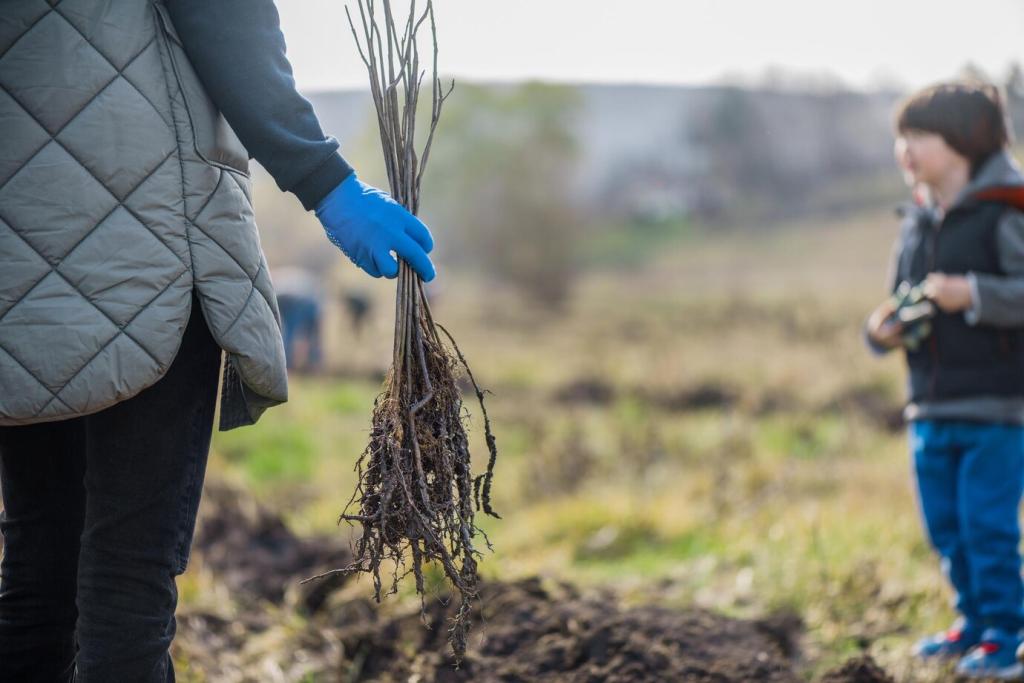
Integrate clovers, lupines, alders, or small acacias suited to your climate. They fuel soil life while shading bare ground. Cut and drop periodically to feed mulch cycles. Share which species integrated smoothly with your eventual canopy and didn’t become overbearing.
Dynamic Accumulators and Groundcovers
Yarrow, comfrey, and native grasses mine nutrients and armor the soil against heat. Their roots map new pores, and their leaves return minerals to the surface. Post your before-and-after photos of groundcover spread and how it changed watering needs in summer.
Staging the Transition
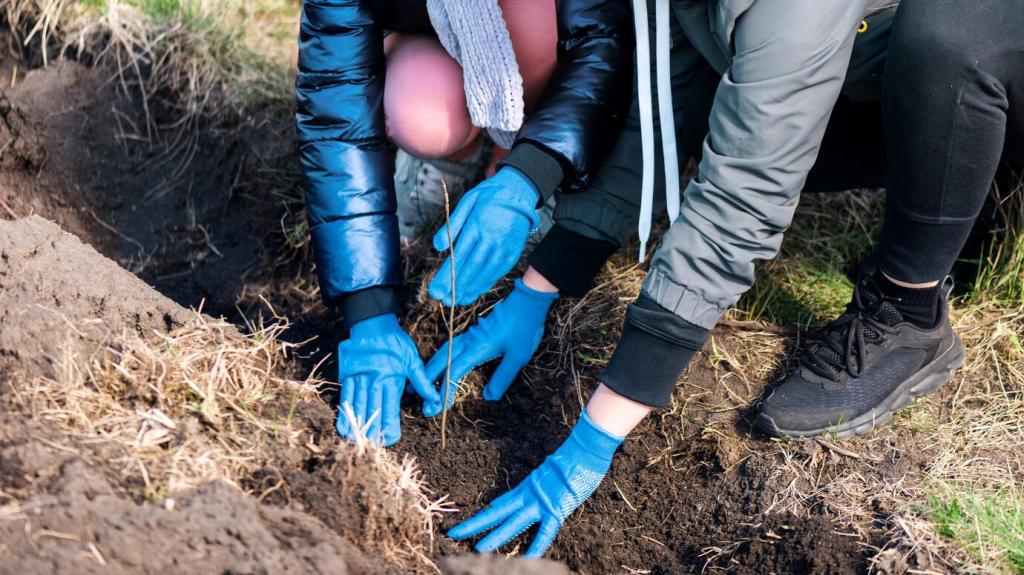
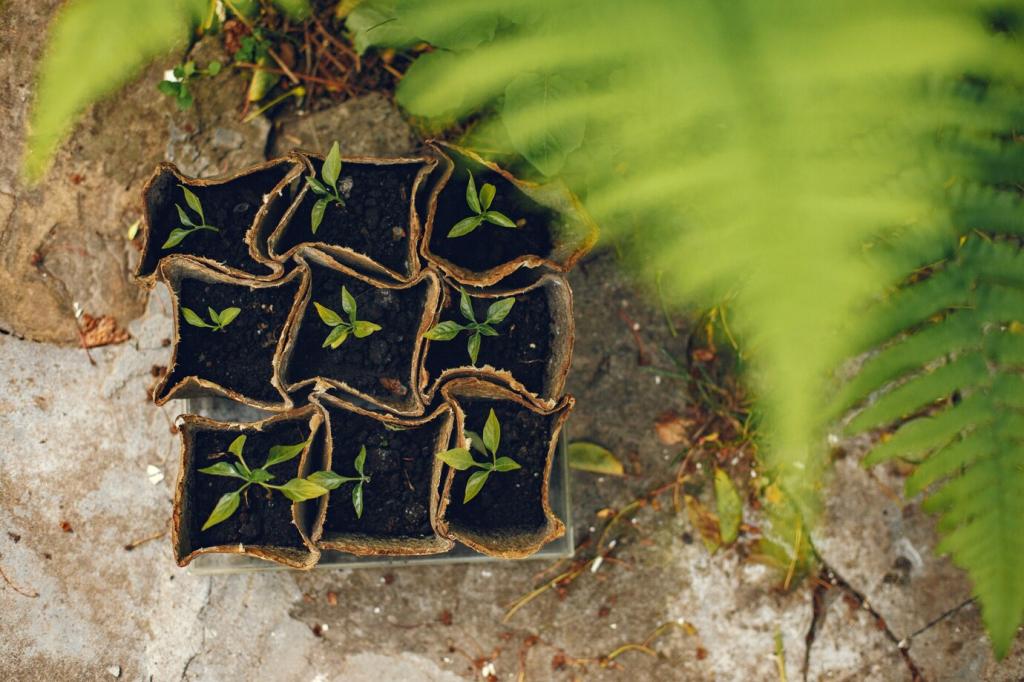
Use cover crops to precondition the site, then phase in saplings once infiltration and biology improve. Keep mulch refreshed, and avoid tillage after establishment. Share your timeline so others can weigh speed versus resilience in their own micro-forest projects.